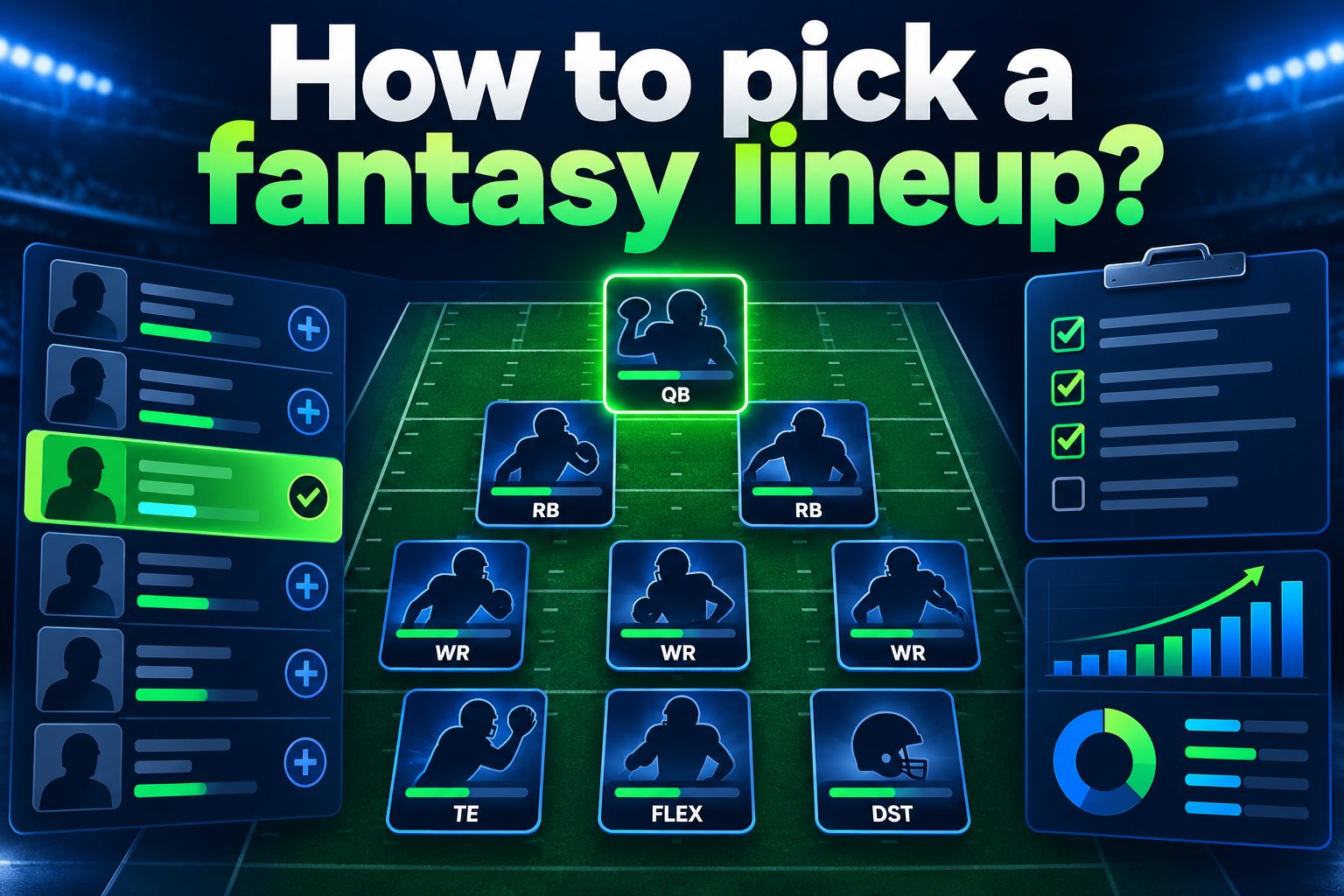
Drafting a winning NFL fantasy lineup is part research, part strategy, and part disciplined decision-making. The best lineup is rarely built by selecting the biggest names or copying a popular ranking list. It comes from evaluating matchups, injuries, workloads, game environments, scoring settings, and late-breaking news before making each choice. Whether you play season-long fantasy football, daily fantasy contests, or a casual weekly league, a thoughtful process can help you avoid emotional decisions and improve your chances of producing a strong score. This guide explains how to draft a winning NFL fantasy lineup from the first research step to the final review. You will learn how to assess player value, balance safety with upside, find useful roster combinations, avoid common mistakes, and adjust your lineup as new information becomes available.
Know Your NFL Fantasy League Settings
Before choosing players, identify exactly how your league awards points and structures rosters. A lineup that works in a standard scoring league may be less effective in a full-point-per-reception league or a daily contest with salary restrictions.
1. Review The Scoring System
Scoring settings change player value. Receptions make consistent pass catchers more valuable, while bonuses for long touchdowns or high rushing totals increase the appeal of explosive players. Check points for passing touchdowns, interceptions, receptions, rushing attempts, receiving yards, fumbles, and bonuses before ranking anyone.
2. Confirm Starting Positions
Roster requirements shape your draft strategy. A league starting three receivers creates a different demand than one starting two receivers and a flex. Also check whether the flex allows quarterbacks, tight ends, or only running backs and receivers, because those details can influence positional scarcity.
3. Check League Size
A twelve-team league usually creates more pressure at running back and tight end than an eight-team league. In larger leagues, dependable depth becomes harder to find, so you may need to prioritize stable starters earlier. Smaller leagues often offer more waiver-wire options and allow greater focus on upside.
4. Study Bench Rules
Bench size affects how aggressively you should draft backups. A deep bench allows you to hold developing players, handcuffs, and injury stashes. A shallow bench rewards flexibility and makes it less useful to carry multiple players from the same position unless the potential payoff is especially strong.
5. Identify Transaction Limits
Some leagues limit waiver claims, trades, or weekly additions. If roster movement is restricted, prioritize reliable players and secure workloads during the draft. If transactions are unlimited, you can take more chances on emerging talents because you have more opportunities to replace disappointing selections.
6. Separate Drafts From Weekly Lineups
Draft strategy and weekly lineup strategy are connected but not identical. Drafting is about building a strong roster over time, while setting a weekly lineup is about choosing the best combination for a specific opponent and matchup. Keep both goals in mind without confusing them.
Build A Strong NFL Fantasy Draft Plan
A winning lineup begins with a flexible plan rather than a rigid list of players. Rankings are useful starting points, but they should support your decisions instead of replacing judgment.
1. Rank Players By Value
Value means comparing expected production with draft cost. A high-scoring player can still be a poor selection if you must spend an unusually early pick to acquire him. Look for players whose projected role and opportunity justify their expected price.
2. Prioritize Opportunity
Opportunity often predicts fantasy production better than reputation. Running backs receiving goal-line carries, receivers playing nearly every snap, and tight ends running regular routes usually have stronger weekly paths to points. Focus on workload before chasing highlight-reel ability.
3. Use Tiered Rankings
Tiers group players with similar expected value and make the draft easier to manage. If only one player remains in a valuable tier, selecting him may be wise even when another position appears tempting. Tiers help you recognize when a position is about to experience a major drop in quality.
4. Track Positional Scarcity
Positional scarcity occurs when the gap between a top player and the next available option is unusually large. This is often important at tight end and quarterback, depending on league size. Scarcity should guide your timing, but it should not force you into selecting a player at an unreasonable cost.
5. Prepare Several Draft Paths
Do not enter a draft expecting one exact sequence. Create plans for starting with a running back, starting with a receiver, selecting an elite quarterback early, or waiting at quarterback. Flexibility helps you react when opponents make surprising selections or when your preferred player is taken.
6. Balance Floor And Ceiling
A player’s floor represents a reasonable low outcome, while the ceiling reflects a high-end performance. Early selections generally deserve dependable roles, while later picks can carry more uncertainty and upside. A roster filled entirely with safe players may lack winning potential, but excessive risk can create weekly instability.
Evaluate Quarterbacks For Fantasy Lineups
Quarterback scoring can be influenced by passing volume, rushing ability, red-zone efficiency, and the overall environment of a game. Avoid relying solely on a quarterback’s real-life reputation.
1. Measure Passing Volume
Quarterbacks who regularly attempt many passes have more opportunities to accumulate yards and touchdowns. Volume is especially important when a team is likely to trail, because a negative game script can create additional passing attempts even if the offense struggles to win.
2. Include Rushing Production
Rushing quarterbacks often have a valuable fantasy advantage because rushing yards and touchdowns provide points without requiring passing efficiency. Even modest rushing involvement can raise a quarterback’s weekly floor and create greater upside when he reaches the goal line.
3. Study Defensive Pressure
Pressure can reduce passing efficiency, shorten the quarterback’s time in the pocket, and increase turnover risk. Look at offensive line health and the opponent’s pass-rush strength together. A talented quarterback may still face a difficult fantasy matchup if protection is unreliable.
4. Examine Red-Zone Usage
Touchdowns are often the difference between an average fantasy performance and a winning one. Review how frequently the quarterback’s team reaches the red zone and whether the offense prefers passing or running near the goal line. Red-zone tendencies can reveal upside that yardage projections miss.
5. Consider Weather Conditions
Wind, heavy rain, snow, and extreme temperatures can affect passing volume and accuracy. Weather should not automatically eliminate a quarterback, but it may lower expectations for deep throws and increase the appeal of mobile quarterbacks or running backs in the same game.
6. Pair Carefully With Receivers
Quarterback and receiver combinations can create useful correlation because one player’s touchdown often benefits the other. In tournament formats, stacking a quarterback with a primary receiver can increase upside. In season-long leagues, avoid forcing a stack when the matchup or workload does not support it.
Choose Running Backs By Workload
Running back decisions require careful attention to touches, receiving involvement, goal-line opportunities, and competition for playing time. Talent matters, but workload is usually the foundation of a reliable fantasy performance.
1. Look For Lead Roles
A clear lead back is more attractive than a talented player trapped in a committee. Check snap rates, rushing attempts, routes, and two-minute-drill usage. A player who remains on the field in multiple situations has more ways to score fantasy points each week.
2. Track Target Involvement
Receiving work can protect a running back when his team falls behind. A back catching four or five passes may produce a useful fantasy score even when rushing efficiency is poor. Target involvement is particularly valuable in point-per-reception formats.
3. Monitor Goal-Line Carries
Not all rushing attempts are equally valuable. Goal-line carries create direct touchdown opportunities and can significantly improve a player’s ceiling. Investigate whether the offense uses its featured back near the end zone or frequently substitutes another runner in those situations.
4. Analyze Offensive Line Play
Running backs depend on blocking quality, rushing lanes, and the ability to reach the second level. Offensive line injuries can change expectations quickly. Consider both the team’s blocking performance and the opponent’s run defense before projecting rushing efficiency.
5. Watch Injury Replacements
When a starter is ruled out, the replacement may become one of the week’s most valuable fantasy options. However, do not assume the backup receives every touch. Determine whether another runner handles passing downs, goal-line work, or a meaningful portion of the rotation.
6. Use Game Script Clues
Teams favored to win may run more often late in games, while underdogs may rely on passing and hurry-up offense. Game script is not certain, but betting expectations and team tendencies can help estimate whether a running back is likely to receive enough work.
Find Value At Wide Receiver And Tight End
Receivers and tight ends can produce through targets, route participation, air yards, red-zone work, and matchup advantages. The strongest fantasy options combine opportunity with a realistic path to explosive plays.
1. Prioritize Route Participation
A receiver cannot earn targets consistently if he leaves the field for large portions of the game. Route participation shows how often a player is available to receive a pass. Full-time players are generally more dependable than specialists who play only in selected packages.
2. Separate Targets From Catch Rate
Catch rate can be helpful, but targets usually provide a clearer picture of opportunity. A player receiving ten targets has more chances than one receiving four, even if the second player catches a larger percentage. Evaluate volume, target quality, and quarterback connection together.
3. Study Air Yards
Air yards estimate how far downfield a quarterback throws toward a receiver. High air-yard players can deliver large scores through long receptions, although their weekly results may be volatile. Short-area targets tend to create a steadier floor, especially in reception-based scoring.
4. Check Coverage Matchups
Defensive coverage can change a receiver’s expected production. A talented wideout facing an elite shadow corner may require lower expectations, while a slot receiver against a vulnerable middle-of-field defense could gain extra value. Use matchups as one factor, not the entire decision.
5. Identify Red-Zone Roles
Receivers and tight ends with frequent red-zone targets have stronger touchdown potential. Size, route design, quarterback trust, and end-zone usage all matter. A player with moderate yardage expectations may still be valuable if he is heavily involved near the goal line.
6. Consider Tight End Routes
Tight ends vary greatly in how they are used. Some block often and run limited routes, while others operate as primary receiving options. Route participation, targets per route, and snap alignment help distinguish dependable fantasy starters from players relying on rare touchdown opportunities.
Use A Weekly NFL Fantasy Lineup Process
Once the draft is complete, use a repeatable weekly process. A structured review reduces last-minute panic and helps you respond to injuries, inactive announcements, and changing roles.
- Review Your Roster: Identify every player available and note whether each one has a secure role, a difficult matchup, or a recent workload change.
- Check Injury Reports: Confirm player health throughout the week, especially for questionable starters and backups who could gain value if a teammate is inactive.
- Confirm Game Times: Separate early games from late games so you know which players may become difficult to replace after their contests begin.
- Study Matchups: Compare offensive tendencies with defensive strengths, including pace, points allowed, pressure rate, rushing efficiency, and coverage weaknesses.
- Project Workload: Estimate carries, targets, routes, and snaps instead of focusing only on season-long averages that may hide recent changes.
- Set A Safe Core: Start players with dependable roles and strong opportunity, then use remaining positions for matchup-based upside.
- Review Alternatives: Compare each starter with available bench players and waiver options before finalizing the lineup.
- Make A Final News Check: Recheck inactive lists, weather, and confirmed lineups before the first game and before any late-game decisions.
Common NFL Fantasy Lineup Mistakes To Avoid
Many fantasy losses come from preventable decisions rather than bad luck. Recognizing common errors can improve lineup quality even when the final result remains unpredictable.
1. Starting Famous Players Automatically
Reputation does not guarantee a strong weekly result. A star may be limited by injury, reduced workload, a difficult matchup, or a backup quarterback. Use current role and conditions rather than selecting a player simply because he is recognizable.
2. Chasing Last Week’s Score
A huge performance can be difficult to repeat, especially when it came from an unusual touchdown or broken play. Review the underlying workload before reacting. A player with modest but increasing usage may be a better choice than a player coming off an unsustainable outburst.
3. Ignoring Inactive News
Leaving an inactive player in your lineup is one of the easiest mistakes to prevent. Check official status before games begin and keep a late-game replacement available whenever possible. Do not rely on an old projection created before final injury information.
4. Overvaluing Defensive Matchups
Matchup statistics can be misleading because they may reflect injuries, schedule strength, or changing defensive personnel. A supposedly difficult matchup should lower expectations, but it should not automatically bench a high-volume player with a secure role.
5. Starting Too Many Players From One Game
Stacking can create upside, but excessive concentration increases risk. If one low-scoring game environment develops, several lineup spots may disappoint together. Use correlation intentionally, particularly in tournaments, while maintaining reasonable diversification in regular leagues.
6. Refusing To Adjust Draft Assumptions
Preseason expectations are only starting points. Roles change because of injuries, coaching decisions, trades, and performance. Be willing to update your opinion when the evidence changes, even if you invested heavily in a player during the draft.
Best Practices For Winning NFL Fantasy Lineups
The following habits help turn research into better decisions. They are especially useful when several players appear close in value and you need a practical way to separate them.
1. Keep A Shortlist Of Alternatives
Prepare replacement options for every questionable player. A shortlist should include players with similar game times, secure roles, and realistic opportunity. This prevents rushed decisions and gives you a clear response if an injury announcement arrives shortly before kickoff.
2. Compare Floor And Ceiling
Choose based on your contest situation. When you need a dependable score, favor stable workload and reception volume. When you are a large underdog or entering a tournament, accept more volatility by selecting players capable of producing long touchdowns or unusually high volume.
3. Track Role Changes Quickly
Snap counts, routes, carries, and targets often reveal changes before traditional season averages do. A player gaining meaningful work may become valuable before his fantasy ranking catches up. Similarly, declining usage can signal that a once-reliable starter is becoming less dependable.
4. Avoid Emotional Rivalry Decisions
Personal team preferences can distort judgment. Starting or benching a player because you dislike his team, support his opponent, or fear watching him succeed against your favorite club can lead to poor fantasy decisions. Let expected opportunity guide the choice.
5. Use Consensus Carefully
Expert rankings can identify general market expectations, but they are not a substitute for league-specific analysis. Compare rankings with scoring settings, roster needs, injury news, and your opponent’s likely lineup. A consensus ranking may not fit your particular situation.
6. Review Results Objectively
After each week, separate process quality from outcome. A well-researched decision can fail because of randomness, while a poor decision can succeed through an unexpected touchdown. Review whether your assumptions were reasonable before changing your strategy.
Examples Of Winning NFL Fantasy Lineup Decisions
Examples show how the same principles apply in different situations. The goal is not to copy a specific player selection, but to understand how role, matchup, scoring, and game context work together.
1. Choosing Between Two Running Backs
Suppose one running back receives more carries but rarely catches passes, while another receives fewer carries and regularly contributes as a receiver. In a full-point-per-reception league, the second player may offer the better floor, especially if his team is expected to trail.
2. Selecting A Quarterback In Bad Weather
If strong winds are expected, a quarterback who depends on deep passing may lose some upside. A mobile quarterback facing a weaker defense could become more appealing because rushing points are less affected by wind than long downfield throws.
3. Using A Backup Running Back
When a starter is inactive, evaluate the replacement’s expected role rather than assuming a full workload. If the backup handles early-down carries but another player receives goal-line and receiving work, the replacement may still be useful but could have a lower ceiling than expected.
4. Comparing A Receiver With A Tight End
For a flex spot, compare projected routes and targets rather than position labels. A tight end receiving six short targets may offer a safe floor, while a receiver with a smaller role but substantial red-zone and deep-ball usage may be preferable when you need a higher ceiling.
5. Building A Quarterback Stack
If a quarterback faces a defense that struggles against passing plays, pairing him with his primary receiver can create strong upside. The stack is most attractive when the receiver commands a large target share and the game has a realistic chance of producing a high total score.
6. Handling A Difficult Matchup
A high-volume receiver facing strong coverage should not automatically be benched. If his team lacks other reliable pass catchers, he may still receive enough targets to produce. Reduce expectations, compare alternatives, and consider whether the player’s role is stronger than the matchup is difficult.
Frequently Asked Questions
1. What Is The Most Important Part Of A Winning Fantasy Lineup?
Opportunity is usually the most important factor. Players who receive consistent carries, targets, routes, and red-zone involvement have more chances to score. Matchups and talent matter, but a player cannot produce consistently without enough involvement in the offense.
2. Should I Draft A Quarterback Early?
Drafting a quarterback early can make sense when an elite player offers strong passing and rushing value, especially in leagues with six-point passing touchdowns. However, waiting can also work if several reliable quarterbacks remain available. Let scoring settings, positional scarcity, and draft value guide the decision.
3. How Many Players Should I Stack?
There is no universal number. One quarterback paired with a receiver or tight end can create useful correlation without making the entire lineup dependent on one game. In tournaments, larger stacks may increase upside, while season-long leagues generally benefit from balanced decisions.
4. Should I Bench A Star Against A Strong Defense?
Usually, no—not automatically. A star with a secure role can still produce against difficult coverage because volume creates opportunity. Compare him with your alternatives, assess injuries and game script, and reduce expectations only when the matchup is paired with a meaningful workload concern.
5. How Important Is Weather For Fantasy Football?
Weather matters most when it is extreme. Strong wind, heavy rain, or snow can reduce passing efficiency and affect deep throws. Mild conditions are rarely enough to change a lineup by themselves. Use weather alongside quarterback style, offensive tendencies, and available alternatives.
6. When Should I Set My Final Lineup?
Set the initial lineup early, then review it again after final injury reports and inactive announcements. Ideally, keep flexible players in late games so you have replacement options. Always confirm that every starter is active before his game begins.
Conclusion
Learning how to draft a winning NFL fantasy lineup starts with understanding league settings, valuing opportunity, and building a flexible strategy. Strong decisions come from combining workload, matchups, injuries, game script, scoring rules, and player roles instead of relying on reputation or one recent performance. Quarterbacks should be evaluated through passing and rushing potential, while running backs, receivers, and tight ends deserve close attention to touches, routes, targets, and red-zone involvement.
The best fantasy managers also review their process throughout the season. Check the latest news, prepare alternatives, balance floor with ceiling, and remain willing to update old assumptions. Fantasy football will always include uncertainty, but a consistent and evidence-based lineup routine gives you a stronger chance to make informed decisions every week.